The Hidden Faces of Orphans & Orphanhood in Nigeria: Stories, Struggles, and Hope
Behind every orphaned child is a story the world rarely hears - a story of resilience, loss, courage, and quiet determination.
As we marked World Orphans Day on November 10, 2025, we look beyond statistics to explore the lived realities of the children we serve.
Orphanhood in Nigeria is often spoken about in numbers, but it is lived in human emotions - in the longing for connection, the thirst for security, and the silent hope for a future that feels possible.
This article shines light on the hidden faces of orphanhood and the work underway to restore dignity, opportunity, and family-like belonging for these young lives.
1. Beyond Numbers: The Human Reality Behind Orphanhood
When people think of orphans, many imagine institutional orphanages or children left completely alone. But the reality is far more complex. Children lose parents to sickness, poverty, conflict, maternal mortality, road accidents, and preventable health conditions. Many are absorbed into extended families who are themselves struggling with poverty. Others end up in informal care arrangements that fail to protect them. For many, every day is a quiet battle;
a) battling stigma,
b) battling emotional trauma,
c) battling for access to education,
d) battling for a sense of identity and belonging.
Orphanhood is not just the absence of parents; it is the presence of deep vulnerability.
2. The Emotional Burden Too Many Carry Alone
Every child deserves nurturing love, guidance, and consistency.
Yet orphaned children often grow up with unresolved grief and a lack of emotional support.
We’ve met children who still keep the clothes their mothers left behind.
We’ve seen boys who smile in public but cry alone at night.
We’ve listened to girls who dream big dreams but doubt they deserve them.
The emotional loss these children face is profound - and it shapes who they become.
Without intentional care, many struggle with self-worth, trust, and long-term emotional stability.
3. The Social Struggles They Are Forced to Navigate
Orphaned children often face societal disadvantages that compound their emotional burden:
a) Limited Access to Education
Many drop out of school because caregivers cannot afford fees, uniforms, or books.
b) Exploitation and Neglect
Some are overworked in households where they are seen more as helpers than children in need of care.
c) Stigma and Discrimination
Society sometimes treats orphanhood as a stain rather than a circumstance.
d) Poor Healthcare Access
Without parental advocacy, children fall through the cracks of healthcare systems - especially those living with chronic illnesses.
These struggles do not disappear with age; they follow the child into adulthood, affecting their future opportunities.
4. Systemic Gaps That Leave Orphans Vulnerable
Nigeria still struggles with:
a) Fragmented child welfare systems
b) Under-resourced foster care structures
c) Limited psychosocial support
d) Insufficient child protection policies
e) Overcrowded or poorly regulated orphanages
These systemic gaps mean children often depend on charity alone, rather than structured protection or long-term development pathways.
The result?
A generation of children growing up with little safety net - emotionally, socially, or economically.
5. Stories of Strength: The Children Behind the Headlines
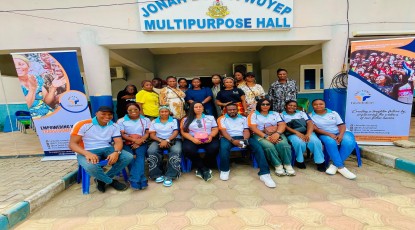
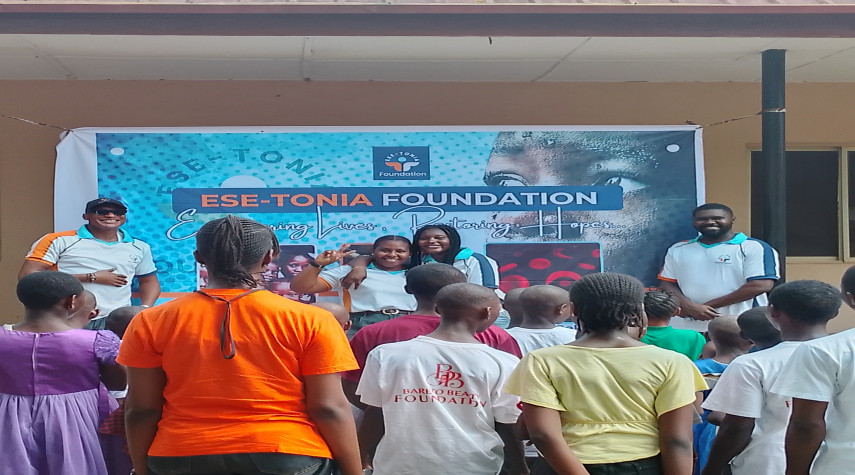
At Ese-Tonia Foundation, we’ve met children from Home of God's Grace Orphanage Home who redefine resilience, by believing in themselves and their future despite the painful experiences that they have been through. These are not stories of pity - they are stories of possibility.
6. How Ese-Tonia Foundation Is Restoring Hope and Belonging
We believe every child deserves more than survival - they deserve connection, protection, and opportunity.
Our programs include:
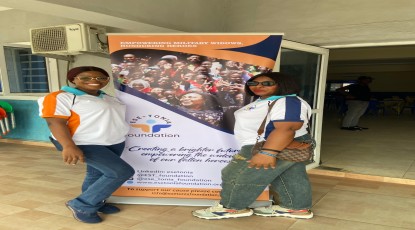
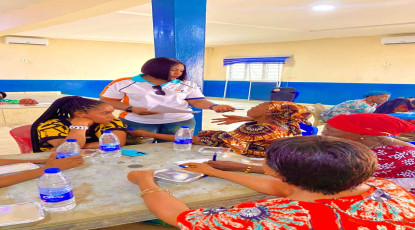
a) The Restoration Project: The Restoration Project is an initiative committed to enhancing the health and well-being of widows, sickle cell survivors, and orphans through medical support, mental health care, wellness programs, and welfare support.
7. Hope Is a Collective Responsibility
Orphanhood is not just a problem for NGOs.
It is a societal responsibility, and every individual has a role to play.
You can make a difference when you:
a) Sponsor a child’s education
b) Partner with our foundation
c) Volunteer your skills or time
d) Spread awareness
e) Advocate for stronger child protection systems
f) Donate to sustain our programs
One act of kindness can change a child’s entire story.
Conclusion: A Future Where No Child Stands Alone
The hidden faces of orphanhood deserve to be seen.
Their stories deserve to be heard.
Their dreams deserve to be supported.
At Ese-Tonia Foundation, we envision a Nigeria where every child — regardless of their circumstances — grows with dignity, love, and opportunity.
This World Orphans Day, we renew our commitment to standing beside them.
We invite you to stand with us too.
Because every child deserves a family.
Every child deserves a chance.
Every child deserves hope.
By Kingsley Afamefule "King Afam" Akatakpo