Sickle Cell Awareness Saves Lives Before It Becomes a Crisis
Most people only hear about sickle cell disease when someone is already in pain.
A hospital bed. A family in shock. A couple asking how this happened.
But by then, the most important moment had already passed.
Sickle cell is not only a medical condition. It is a knowledge problem. And what people do not know almost always hurts more than what they do.
It starts long before the hospital
Sickle cell disease changes the shape of red blood cells, restricting oxygen flow and causing severe pain, repeated illness, and lifelong complications.
But the deeper issue is not the condition itself. It is when people first learn about it.
Most young people grow up without understanding genotype compatibility. They fall in love, make plans, and build futures without information that could change everything. And when reality finally arrives, it feels like a surprise, when in truth, it was preventable.
A mother in Lagos put it plainly: “We were not careless. We were just never taught.”
She and her husband never checked their genotypes before marriage. Nobody explained why it mattered. They only found out after their second child was diagnosed with sickle cell disease.
Their story is not rare. It repeats itself in different families, different cities, and different languages. And it will keep repeating until communities decide that this conversation cannot wait for a hospital room.
Young people are forming relationships right now. They are making the decisions that will shape the next generation of families.
When they understand sickle cell early, they do not just hold the information. They use it. They ask better questions, encourage testing, and have conversations that older generations never had.
Awareness spreads fastest when it starts young because young people carry knowledge differently. They share it.
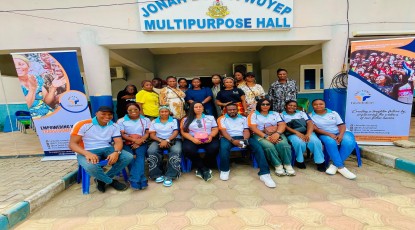
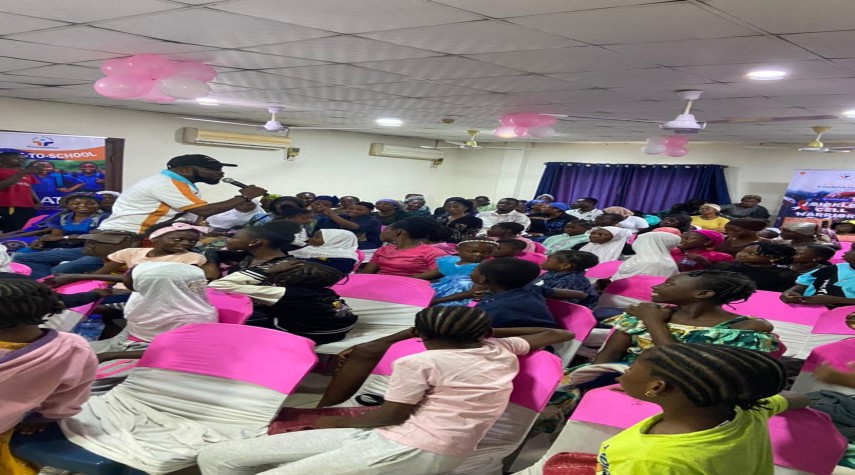
This is why school-based programs and essay competitions like the Sickle Cell Awareness Essay Competition matter. A student writing about sickle cell is not just completing an assignment. They are engaging with information that could one day guide their own decisions, protect their future family, and influence conversations within their community.
Awareness Is Only the Beginning
Knowing is not enough. Awareness must lead somewhere.
It starts with genotype testing. The process is simple, affordable, and widely available. Awareness should also encourage honest conversations between partners before serious commitments are made. When people understand their genotypes early, they are better able to make informed decisions about their relationships and future families.
In some cases, it may mean choosing not to continue a relationship because of incompatible genotypes. Difficult as that may be, such decisions can help reduce the number of children born with sickle cell disease and lessen the emotional, financial, and medical burden many families face.
It also means treating families living with sickle cell disease with empathy rather than silence, while pushing for healthcare access that matches the scale of the problem.
The Only Thing That Needs to Change Is Timing
When awareness starts early, families are protected, choices become clearer, and pain that once felt inevitable becomes preventable.
Somewhere right now, someone is making a decision they were never taught to fully understand.
That is exactly why this conversation cannot wait.